Freedom and Accountability: Developments Across the Muslim World
Edraak News #36 | 12-25 November, 2026

Edraak is our newsletter that honours the Muslim world’s diversity, reflected in the multitude of its socio-economic conditions and political institutions spanning continents. Traced back to its Arabic origins, إدراك encompasses timely and thorough insights into developments across Muslim-majority countries.
This edition examines developments affecting political, individual and economic freedoms across Nigeria, Bangladesh, Myanmar, Iran and Pakistan. It looks at the detention of an investigative journalist and renewed restrictions surrounding political opposition, alongside the ICJ’s landmark judgment on the Rohingya genocide and public demands for stronger legal protections against domestic violence in Iran. It also considers a change to Pakistan’s export-financing rules aimed at widening opportunities for smaller businesses. Together, these stories highlight the continuing questions of accountability, personal security, political participation and economic opportunity across the Muslim world.
Political Freedom
These stories concern democratic accountability, constitutional authority, electoral participation and the ability of citizens to influence public affairs.
Nigeria: Investigative journalist detained over government financial reporting
13 November 2026
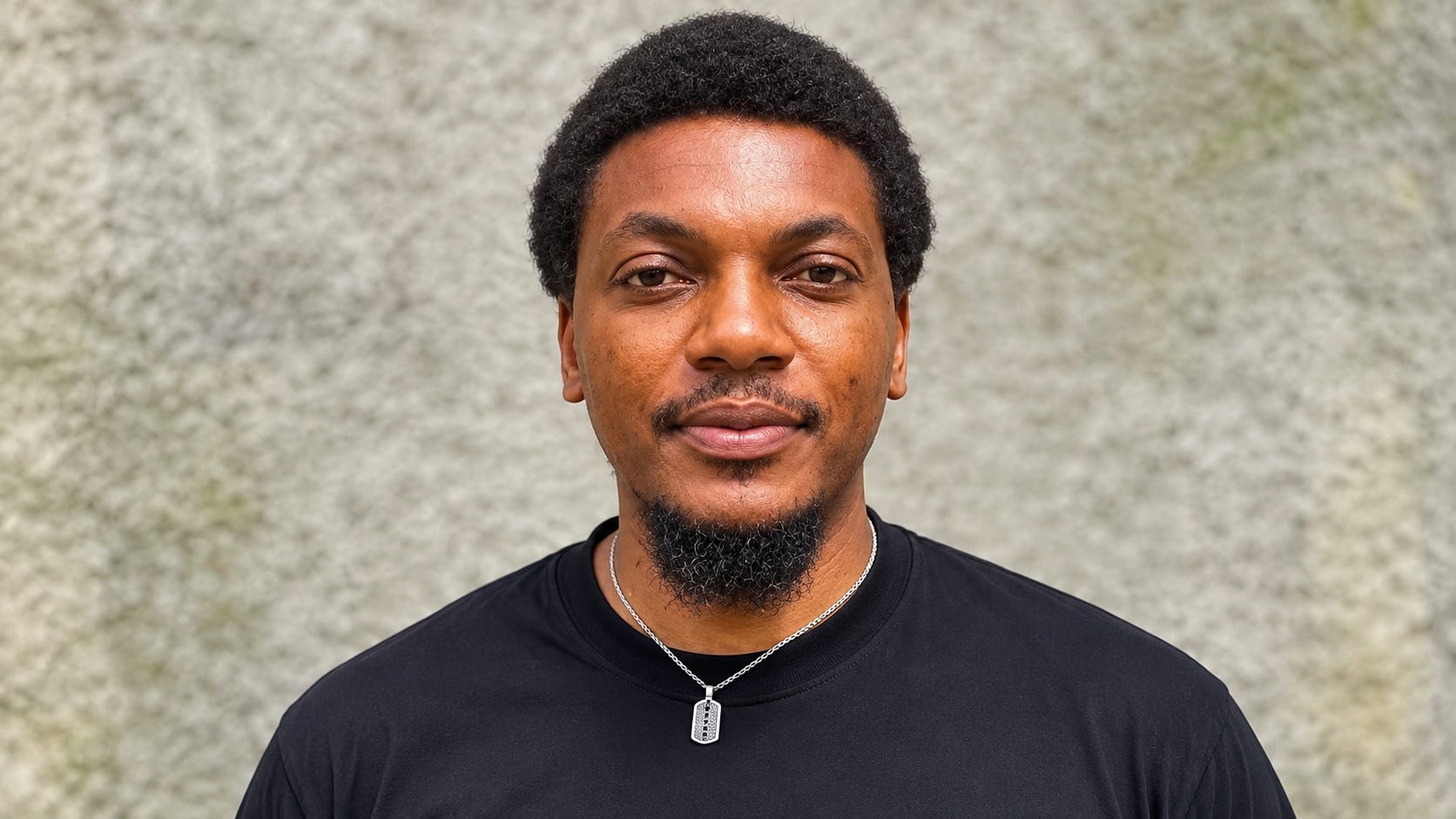
A federal court in Abuja remanded investigative journalist Daniel Ojukwu to custody on 10 November, facing 12 counts of alleged cyberstalking and criminal defamation under Nigeria’s cybercrime and criminal laws. The charges stem from investigative reports examining spending by the Office of the Senior Special Assistant to the President on Sustainable Development Goals, including an alleged ₦147.1 million payment to a company identified as a restaurant for a school construction project. The case has renewed concerns about the use of criminal and cybercrime legislation against journalists investigating public officials.
Bangladesh: Former prime minister’s supporters organise nationwide shutdown
19 November 2026
Bangladesh experienced renewed political unrest as the Awami League, led by former prime minister Sheikh Hasina, called a nationwide shutdown amid demands for her return from India. The demonstrations were accompanied by road blockades, clashes and arson attacks, while authorities deployed security forces across several districts. Police reported that 107 people linked to the Awami League had been arrested since Wednesday. The developments raise questions about the political space available to a banned opposition party, the right to organise dissent and the government’s response to supporters of the former ruling party.
Individual Freedom
These stories cover religious freedom, authority of religious institutions, freedom of belief and efforts to encourage pluralistic society.
Myanmar: Landmark ICJ ruling recognises genocide against Rohingya Muslims
19 November 2026
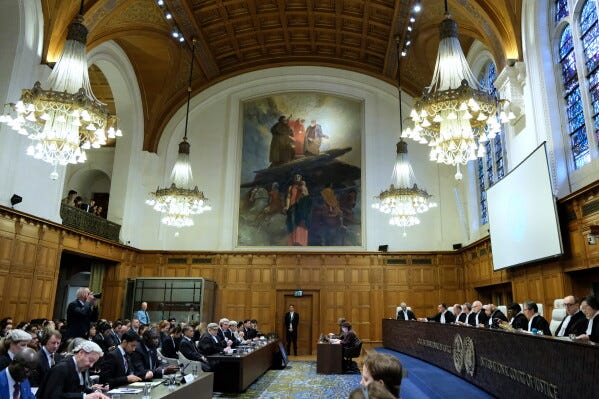
The International Court of Justice (ICJ) found Myanmar responsible for committing genocide against the Rohingya during the military’s 2017 clearance operations in Rakhine State. The Court also found that Myanmar had failed to meet several obligations under the Genocide Convention, including preventing genocide, punishing those responsible, and preserving evidence. It ordered Myanmar to investigate suspected perpetrators, take steps to prevent further violations, provide reparations and facilitate the safe, voluntary and dignified return of displaced Rohingya. The ruling marks a significant legal recognition of the Rohingya’s persecution and raises the question of how international judgments can translate into accountability and meaningful remedies for survivors.
Iran: Death of 16-year-old girl prompts calls for legal reform
18 November 2026

The death of 16-year-old Sogand Sayyadi in Iran has prompted renewed calls for stronger legal protections for children facing domestic violence. Sayyadi had reportedly warned school officials that she feared being sent home. Her father was arrested on suspicion of assault and murder, while the school principal was also detained over alleged negligence. The case has drawn attention to Article 301 of Iran’s Islamic Penal Code, which exempts fathers and paternal grandfathers from qisas in cases involving the intentional killing of their children. A petition calling for reform of the provision reportedly gathered more than 220,000 signatures.
Economic Freedom
These stories concern people’s ability to earn, own, work, participate in markets and make decisions about their livelihoods.
Pakistan: Export financing rules eased for small businesses
21 November 2026
Pakistan’s Economic Coordination Committee approved amendments to the Long-Term Export Growth Financing Facility, administered through EXIM Bank of Pakistan, reducing the minimum export requirement for participating businesses from 80% to 50% within four years. The change is intended to widen access to long-term financing for small and medium-sized enterprises and emerging exporters that may not yet generate a sufficiently high share of their revenue through international sales. The committee also directed that progress under the revised facility be reviewed after six months. The decision could make export-oriented investment more accessible to smaller firms seeking to expand beyond the domestic market.

Discussion about this post