

Edraak is our newsletter that honours the Muslim world’s diversity, reflected in the multitude of its socio-economic conditions and political institutions spanning continents. Traced back to its Arabic origins, إدراك encompasses timely and thorough insights into developments across Muslim-majority countries.
This edition covers eight countries, from Palestine to Indonesia, examining a range of challenges and developments affecting individual rights, political freedom, institutional accountability, economic opportunity, inclusion, and religious expression. The revised Four Zone framework for Edraak provides a more consistent, issue-based approach while maintaining geographical diversity and recognising both restrictions on liberty and constructive initiatives that expand individual freedoms.
Economic Freedom
A Palestinian Family’s Olive Harvest Becomes a Struggle to Hold on to Its Land
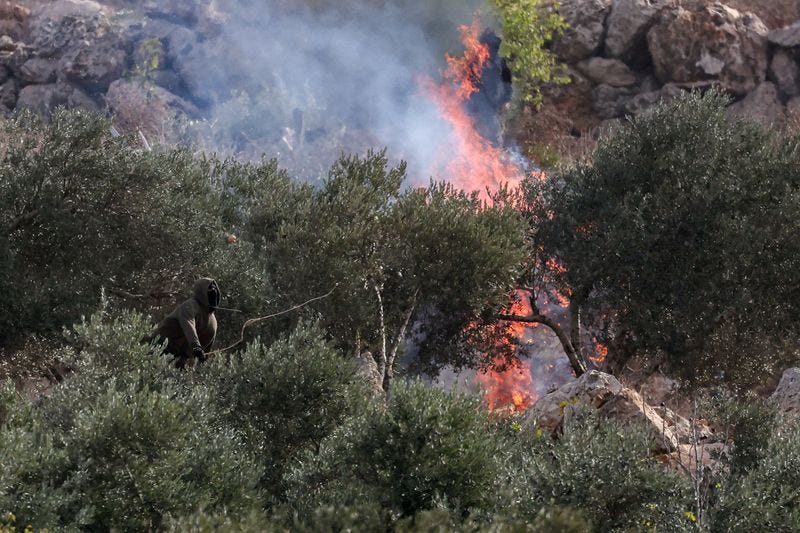
Around 80 Israeli settlers reportedly descended on an olive grove near Abu Falah in the occupied West Bank on 16 October, burning trees and throwing stones at Palestinian villagers gathering their annual harvest. At least two people were injured. Farmer Moutaz Abdelhadi, 42, said residents feared the attacks were intended to force them from their homes. Olive harvesting is an important source of income for Palestinian families and a longstanding part of local cultural life. When farmers cannot reach their groves safely, they risk losing both their seasonal earnings and their connection to land cultivated by their families for generations.
Albanian Students Take to the Streets over Education Costs and a Future They Say Is Slipping Away
Student-led demonstrations spread through Albania in October, driven by anger over education costs, poor university conditions, limited employment opportunities and allegations of corruption. A 19-year-old protester identified as Enea told Reuters he feared arrest but believed young people had been ignored after months of largely peaceful activism. Another 19-year-old, Klea, said she and others had been protesting for 140 days without being heard. Later demonstrations in Tirana turned violent, with protesters damaging buildings and police responding with tear gas, water cannons and rubber bullets.
Political Freedom
Syria: Women Survivors Recount Abuses at a Former Detention Centre
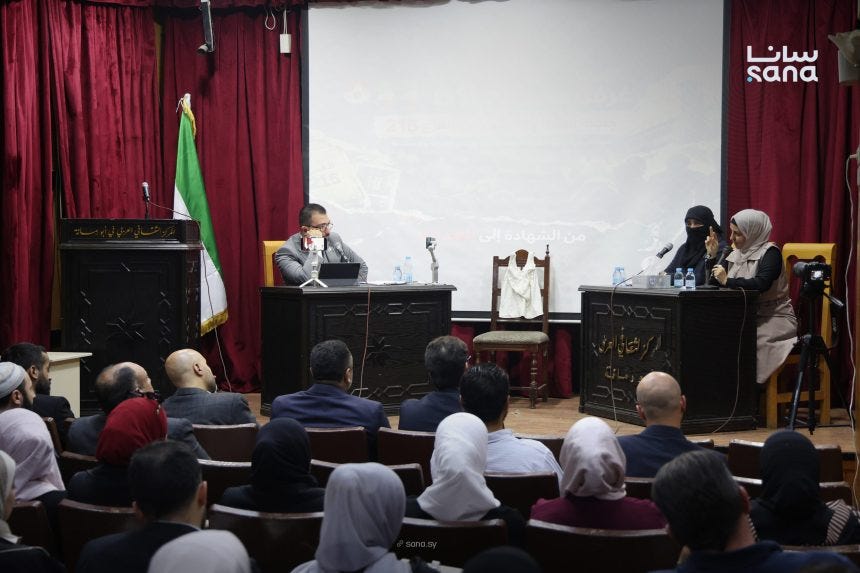
At a public hearing in Damascus on 17 October, women who had been detained under the Assad government described their experiences at Branch 215, a military intelligence detention facility associated with torture and deaths in custody. Helen Akko said she was detained in 2015 because of her humanitarian and media activities and spent 77 days there. Fatima Shaban described being detained alongside her husband, a professor of Islamic law who was later killed. The survivors called for accountability and recognition of the experiences of women held in detention. Their testimonies show why rebuilding Syria’s institutions must involve more than arrests and prosecutions: survivors also need opportunities to document abuses and seek redress.
Personal Freedom
Tunisia: Families Demand Answers After Deaths Linked to Security and Public Services
Protests broke out in the Tunisian suburb of Ettadhamen after a man detained on suspicion of drug dealing died. His family alleged that police violence caused his death and demanded an investigation, while local media reported that he had swallowed drugs; the Interior Ministry had not commented at the time of Reuters’ report. In the southern city of Sfax, students separately protested after a female student died following a cardiac problem, saying emergency services had taken too long to arrive and pointing to inadequate medical facilities. The incidents brought public attention to accountability for deaths in custody and the consequences of gaps in essential services, particularly when families feel they cannot obtain clear answers.
Pakistan: Two Students Create a Space for Blind and Deaf Children to Participate in Debate
Pakistani students Eshal Amin and Hana Marfani launched Voice for All after questioning why blind and deaf children were often excluded from activities such as Model United Nations, where participants are expected to read documents, hear speeches and follow debates. Working with students at Ida Rieu School, they developed coaching sessions tailored to participants’ needs. Their project has delivered more than 90 hours of coaching and trained 45 children. The initiative offers a constructive example of inclusion built from the ground up. Participation requires more than formally allowing children into a room: it also requires adapting the way institutions operate so that children with disabilities can contribute, debate and be heard.
Saudi Arabia: Hassan al-Faraj Executed for Crimes Allegedly Committed at 14
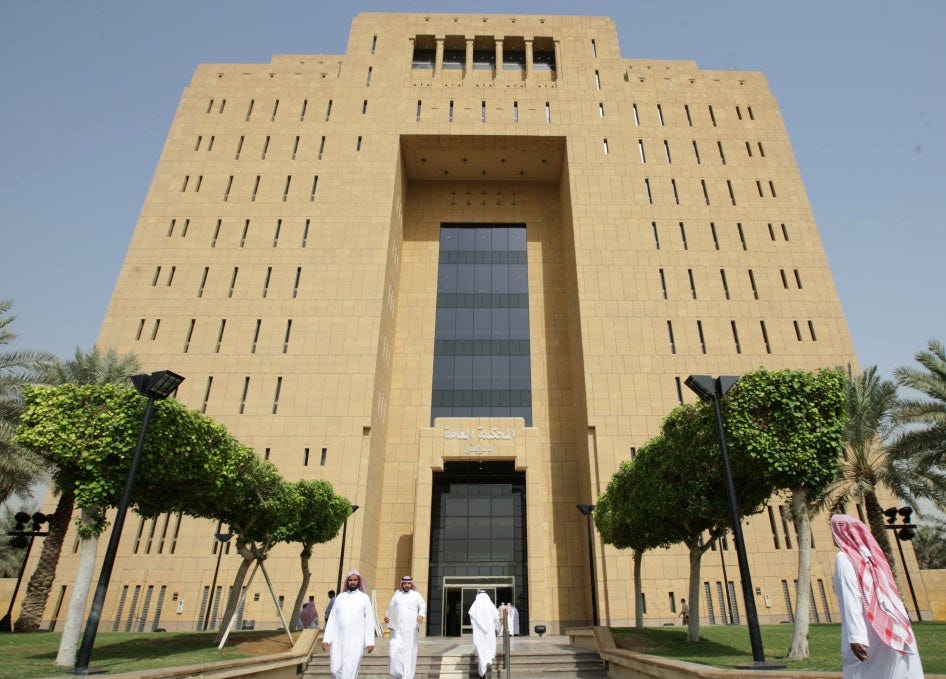
Saudi Arabia announced the execution of Hassan Zaki al-Faraj on 17 October, following his conviction for offences allegedly committed when he was 14. Human Rights Watch reported allegations that his confession had been obtained through torture and that he had been held in solitary confinement for six months after his arrest in 2017. The organisation also said the Supreme Court had upheld the death sentence of Yousef al-Manasif, who was convicted of offences allegedly committed when he was 15 and 16, including involvement in protests and funeral processions connected to the treatment of Saudi Arabia’s Shia minority. Reviewing this, Saudi Arab’s juvenile justice system and criminal system do not adequately distinguish between children and adults while claiming fair-trial guarantees.
Religious Freedom
Azerbaijan: A Teacher and Her Daughter Are Turned Away from School over Hijab Rules
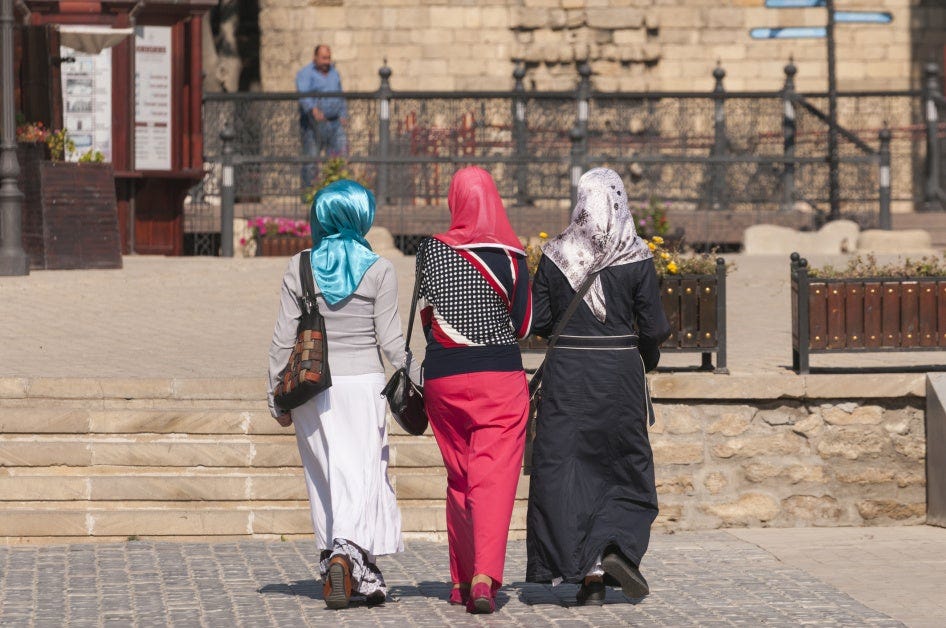
Gulshan Aliyeva, an English teacher with 23 years of experience in Baku, said she was refused entry to her school after arriving in a headscarf. Her daughter was also prevented from entering school. The restrictions stem from amended uniform rules that prohibit clothing deemed inconsistent with secular education, although the rules do not explicitly name the hijab. Protests followed, with dozens of detentions reported. Activist İlkin Hüseynov also faced detention after launching an online initiative to connect volunteer teachers with girls excluded from classrooms. The experiences of Aliyeva and her daughter bring the dispute into focus: the question is not simply what schools may prescribe as uniforms, but whether a clothing rule should prevent a student from receiving an education or a teacher from continuing her profession.
Indonesia: A Book Titled Hunting for Muhammad Triggers a Blasphemy Investigation
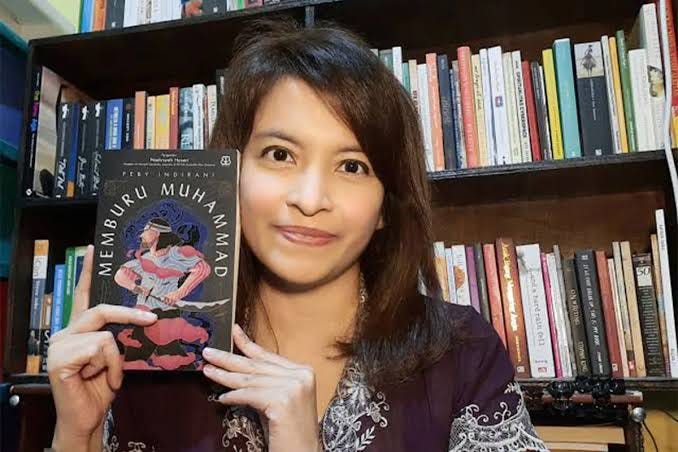
Indonesian writer Feby Indirani faced a police investigation over her short-story collection Memburu Muhammad (Hunting for Muhammad), after social-media users accused the book of blasphemy. The title sounds provocative when read in isolation, but the title story’s reported premise is more nuanced: it imagines Abu Jahal, the historical opponent of the Prophet Muhammad (PBUH), in the modern world searching for people named Muhammad. Indirani has explained that her fiction draws on everyday Muslim life, religious diversity and the complexities of faith, often using humour and reflection. A literary-festival event featuring her was cancelled after threats of disruption, and women defending her work faced gendered online harassment. Available reporting does not establish whether those making the accusations had read the full collection.
Article Pick